
Everything begins here

the philosophy
“To attempt to build up theories of art, or to form a style, independently of the past, would be an act of supreme folly. It would be at once to reject the experiences and accumulated knowledge of thousands of years.”
— Owen Jones, The Grammar of Ornament, 1856
That knowledge has one subject: the beautiful and the sublime. Whether it lies in the thing itself, in the harmony behind it, or in what we build in nature's place, the question has not found its answer. Erisse is part of that chain: a creative and applied pursuit, one piece in a tapestry far larger than any single hand.
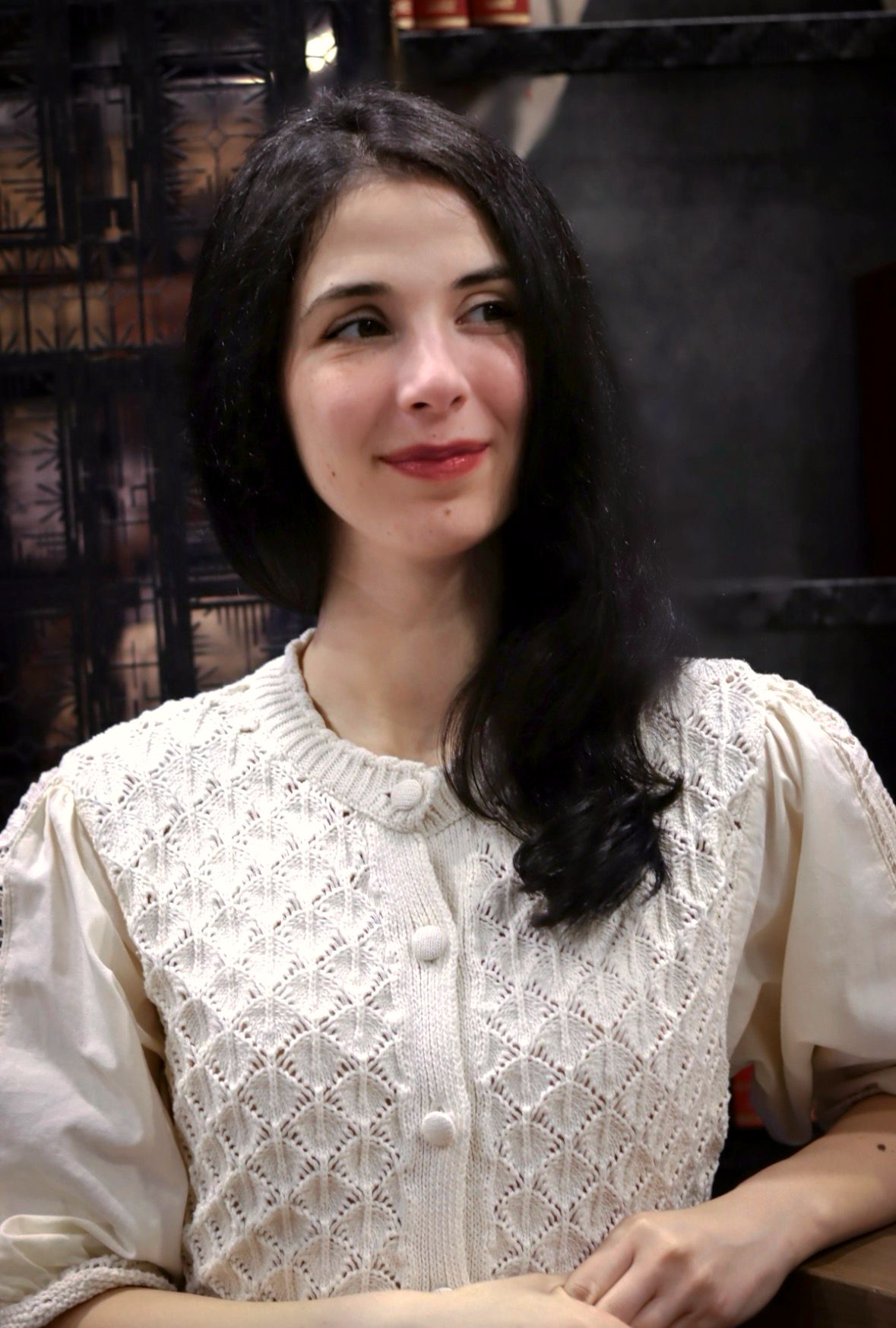
Ana Maria Ilușcă, Founder
Ana-Maria learned early that a space could make you feel as though something remarkable were about to happen within it. She found it first in books. Then she went outside and looked for it in the streets. A curved wrought-iron balcony, a wild rose on an old house, a figure carved into a frieze.
She believed it was not coincidence. That a space shaped with enough intention and care could do what a well-written scene does: make the people within it more alive. Set the stage for a life that rises to meet it. This was what she was searching for, not an aesthetic, but an effect. Not decoration, but a condition.
She became an architect and kept looking: for the methods, the materials, the making that could actually produce it. Erisse was built to answer that question. A studio where research and production work from the same thought, and where every commission begins with the question of whose life the space is meant to set the stage for.
the journey
How did we reach this point?
1994
Childhoood
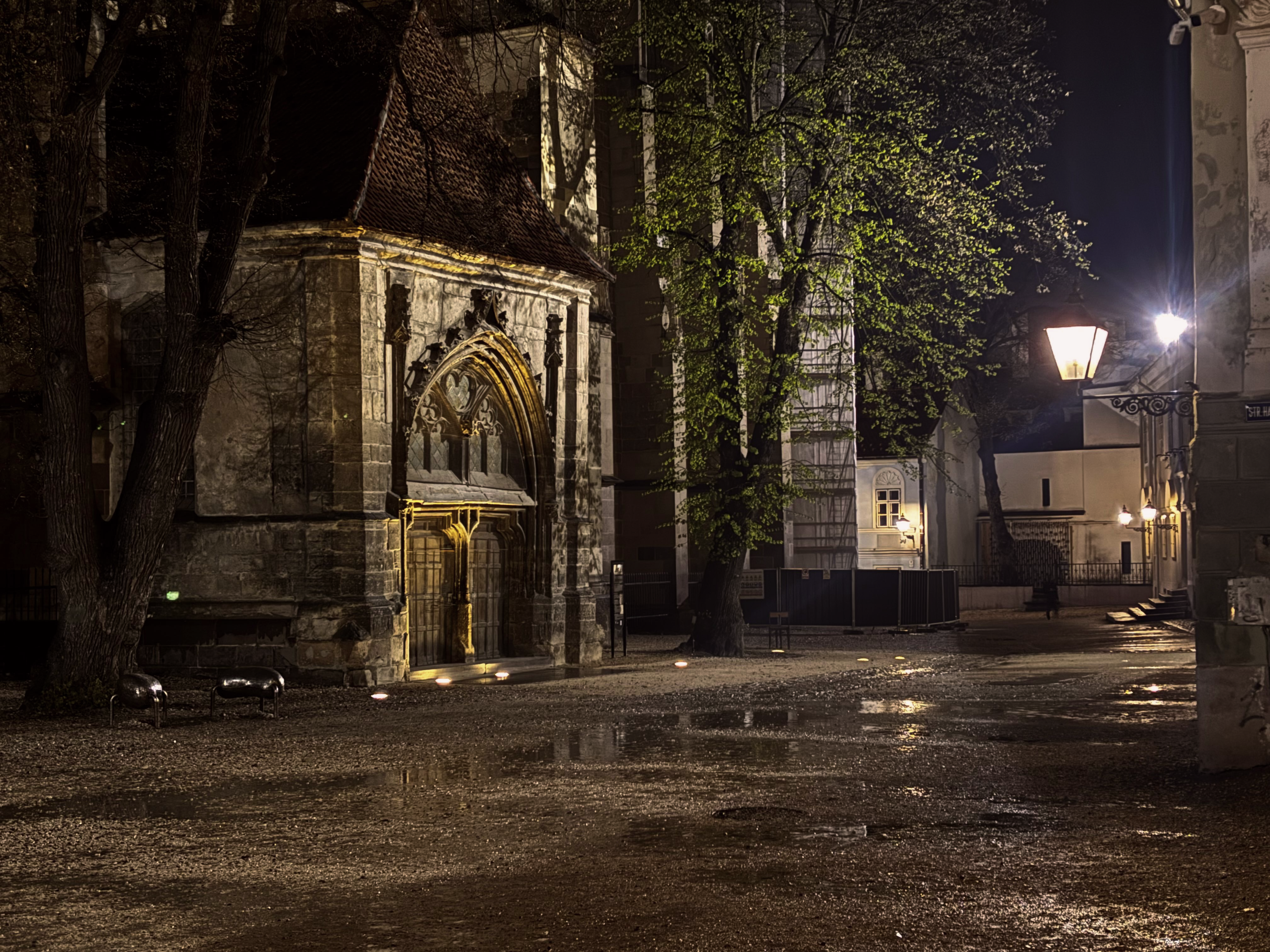
Ana-Maria's interest in the built world began early, through reading, drawing, walking, and observing
the quiet details of the places around her. Long before it became a professional practice, it was an
instinctive attention to atmosphere, architecture, and the stories held by spaces.
2010
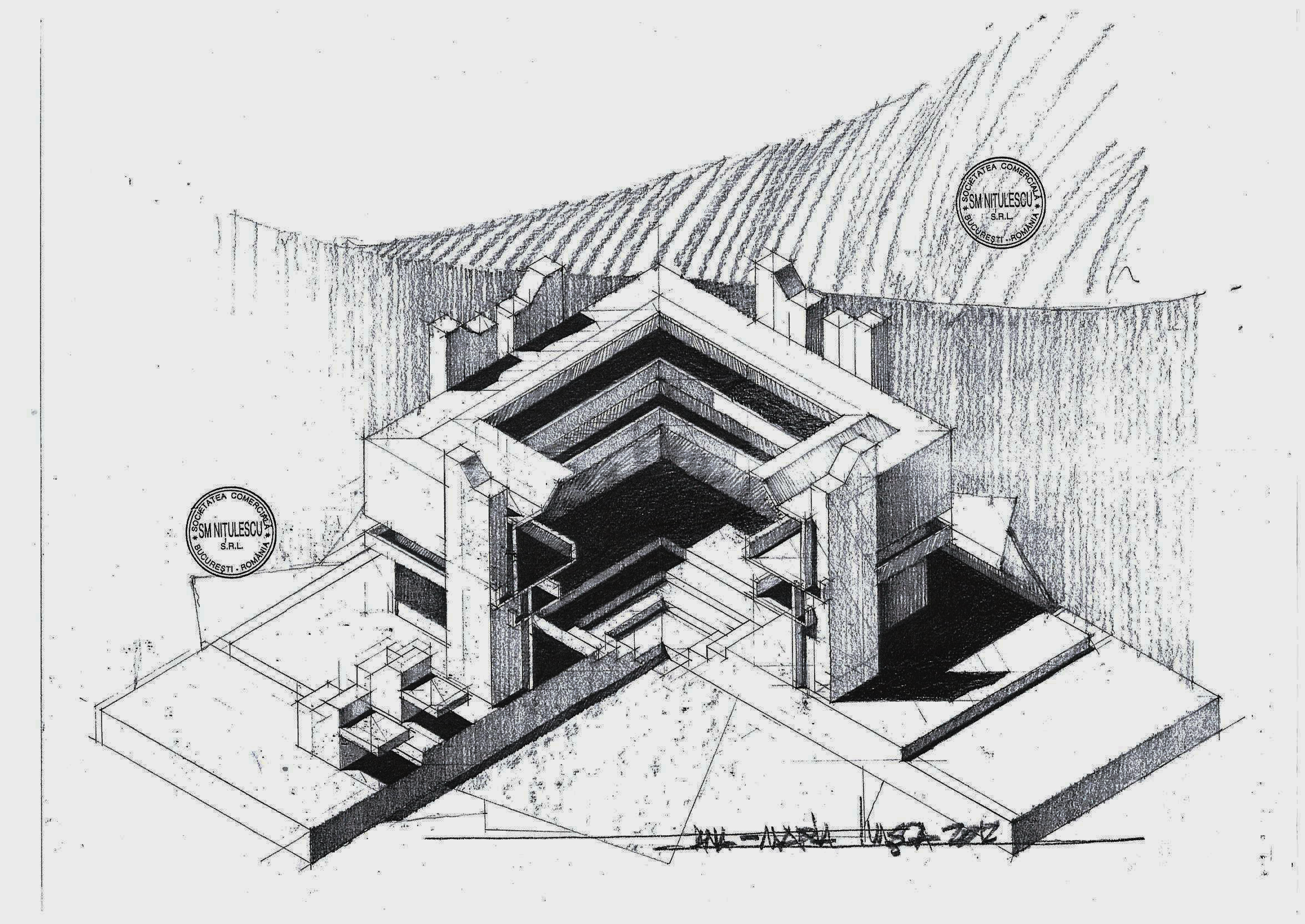
The beginning of architectural training
Every weekend, she commuted to Bucharest for architectural preparation courses — learning to draw,
to read plans, to encounter the traces of bourgeois architecture still visible in the city. She was also
competing as a national olympian in programming at the time. Two different modes of thinking about structure, both already present.
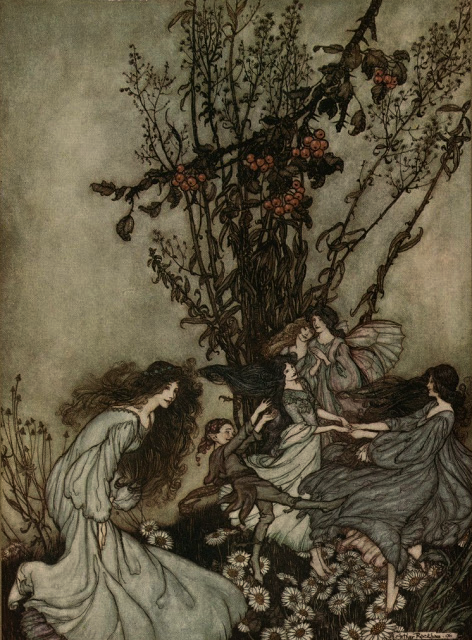
2013
Architecture as a language of many arts
The Bartlett School of Architecture, University College London. Architecture became connected to literature, painting, photography, drawing, psychology and mathematics — not as separate disciplines but as different ways of looking at the same question. The first research work begins.
2017
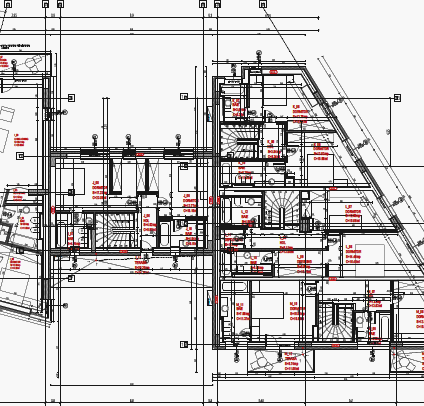
Architecture, tested on site
Between degree and master's studies, a return to Bucharest and work in architectural practice and site coordination. Theory met its consequences: plans, materials, contractors, the real conditions that decide whether a project works. Entry into the world of production, factories and manufacturing.
2017
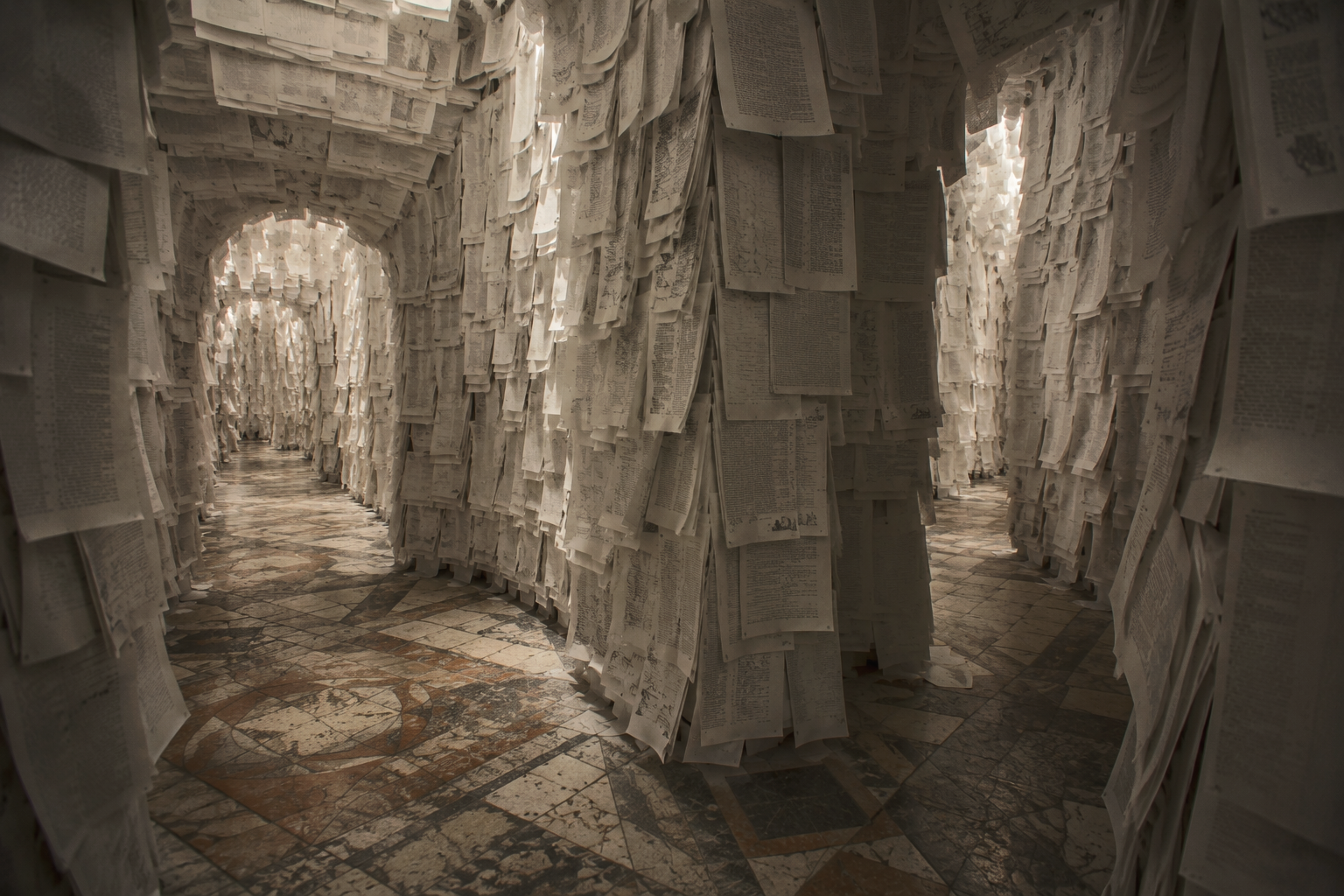
From theory to technical reality
After returning to Bucharest in 2017, her focus moved from theory toward practice. She entered the world of business, construction and production, gaining direct technical knowledge across architecture, manufacturing, factories and applied material processes.
2013
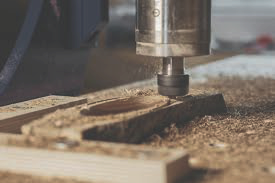
Architecture as a language of many arts
In 2013, Ana was accepted into The Bartlett School of Architecture at University College London. There, architecture became connected to literature, painting, photography, drawing, psychology and mathematics as different ways of looking at beauty, meaning and the sublime.
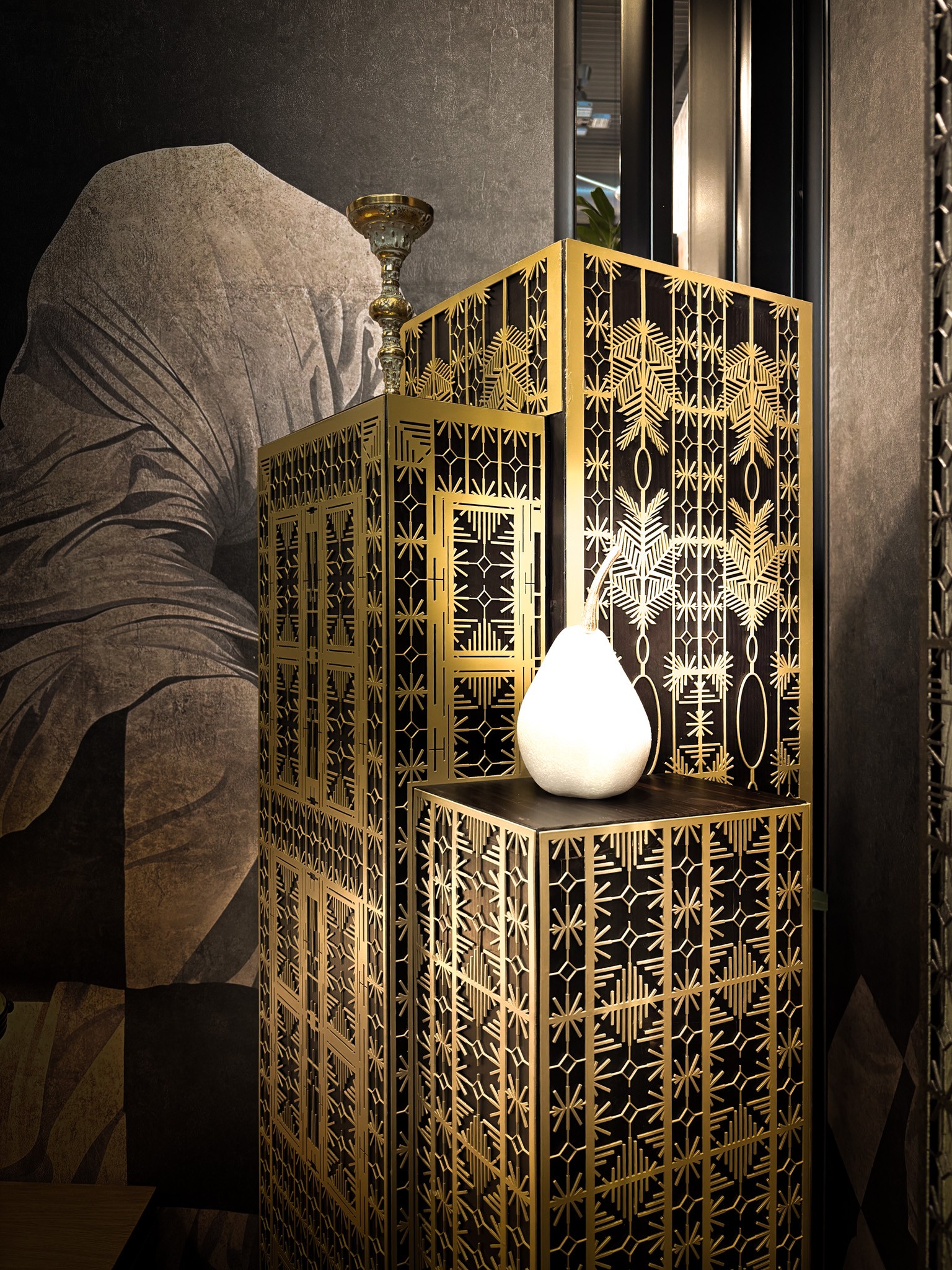
2025
Erisse begins
Erisse was created as a place where research, design and manufacturing could finally meet. The search continues with every piece, every material, every book, and every story translated into form.
Guiding principles
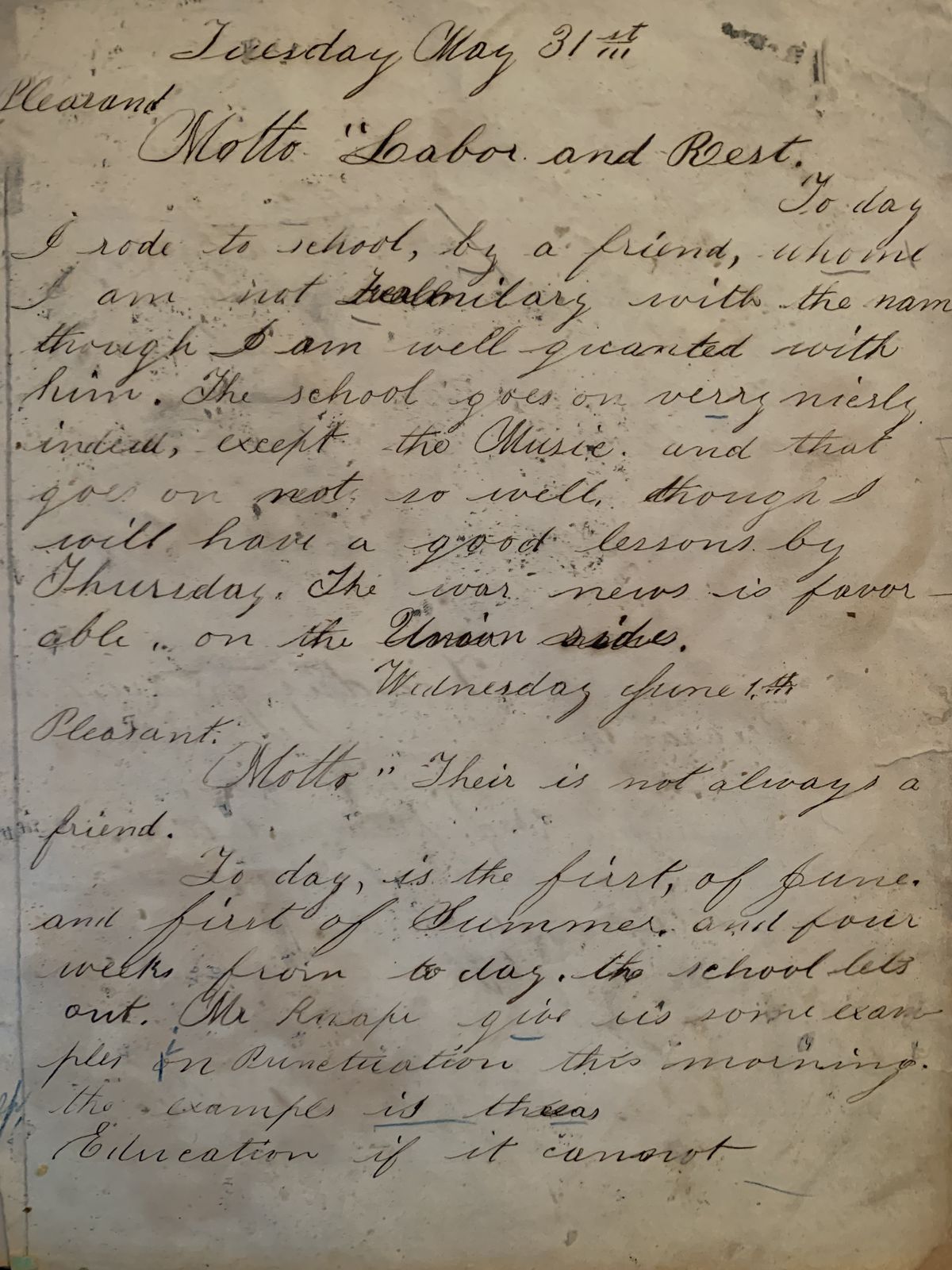
Everything is personal
Every piece carries emotional weight. We approach each project with care, attention and real involvement, because a human space cannot be built from indifference.
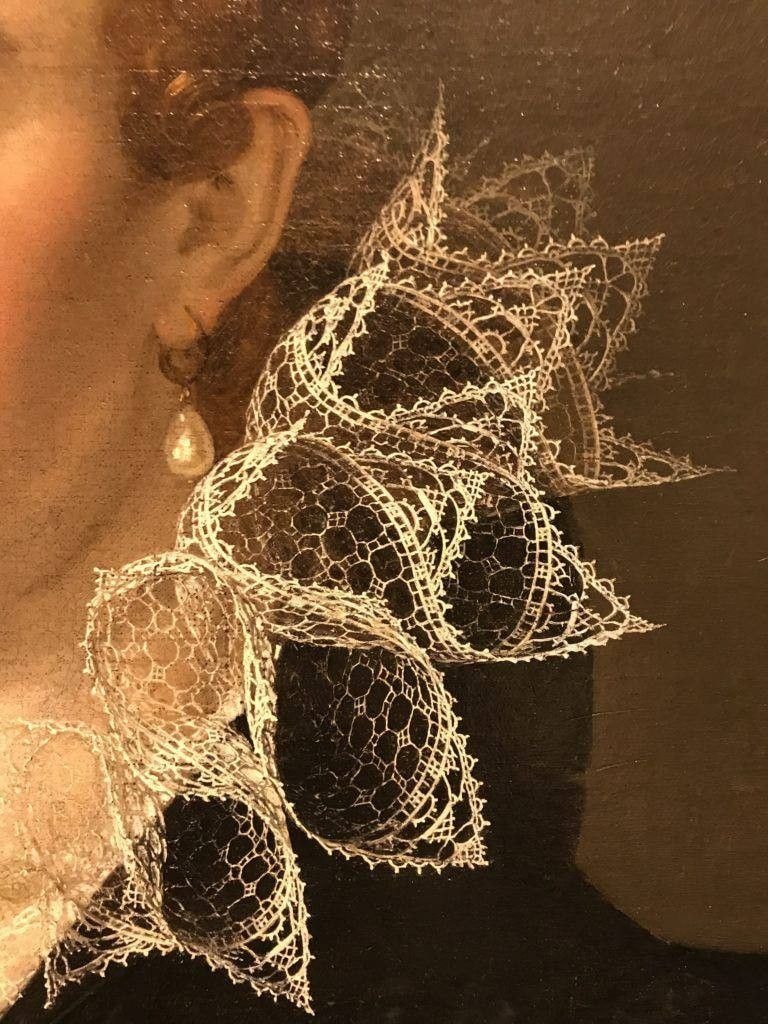
Work, passion, obsession
Research guides everything we do, not only technical research, but emotional, historical and psychological inquiry. Each piece has to balance what can be made, what it means, and what it is meant to awaken.
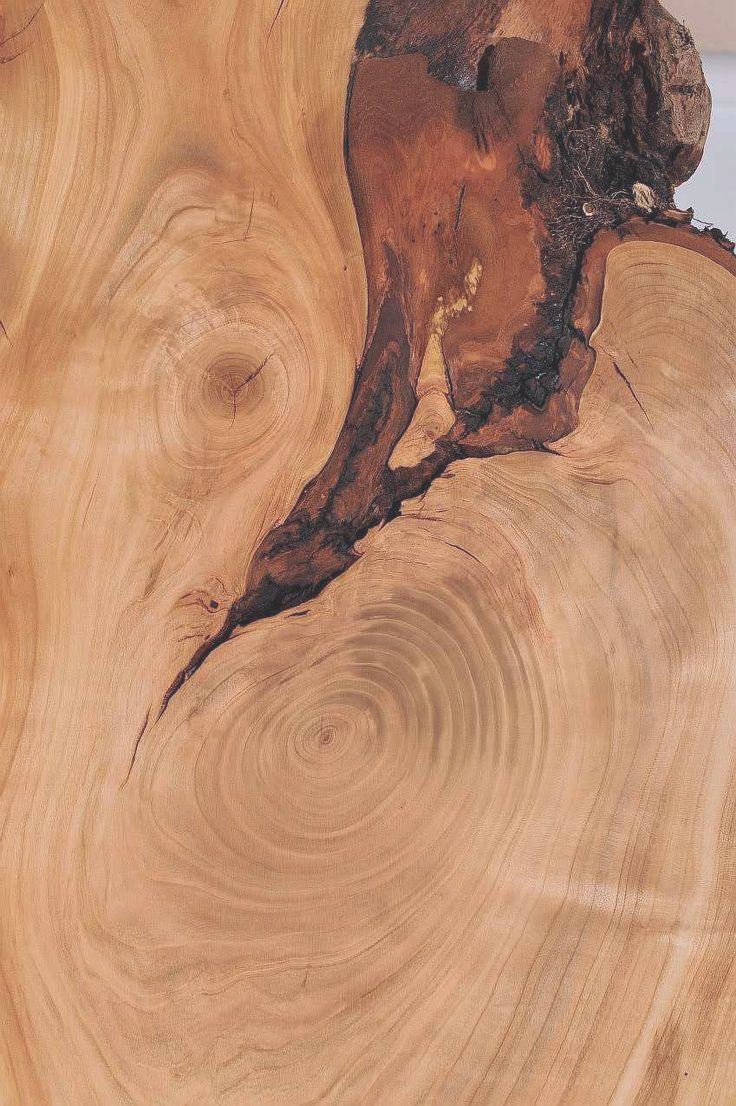
Perfection within imperfection
The pursuit of the perfect is a delicate matter. It must leave room for the spirit of each piece, not trap it
in a sterile recipe. The human hand is always present, trying to capture what makes each thing itself in the process of making it.

Everything begins here
the philosophy
“To attempt to build up theories of art, or to form a style, independently of the past, would be an act of supreme folly. It would be at once to reject the experiences and accumulated knowledge of thousands of years.”
— Owen Jones, The Grammar of Ornament, 1856
That knowledge has one subject: the beautiful and the sublime. Whether it lies in the thing itself, in the harmony behind it, or in what we build in nature's place, the question has not found its answer. Erisse is part of that chain: a creative and applied pursuit, one piece in a tapestry far larger than any single hand.
Ana Maria Ilușcă, Founder
Ana-Maria learned early that a space could make you feel as though something remarkable were about to happen within it. She found it first in books. Then she went outside and looked for it in the streets. A curved wrought-iron balcony, a wild rose on an old house, a figure carved into a frieze.
She believed it was not coincidence. That a space shaped with enough intention and care could do what a well-written scene does: make the people within it more alive. Set the stage for a life that rises to meet it. This was what she was searching for, not an aesthetic, but an effect. Not decoration, but a condition.
She became an architect and kept looking: for the methods, the materials, the making that could actually produce it. Erisse was built to answer that question. A studio where research and production work from the same thought, and where every commission begins with the question of whose life the space is meant to set the stage for.
the journey
How did we reach this point?
1994
Childhoood
Ana-Maria's interest in the built world began early, through reading, drawing, walking, and observing
the quiet details of the places around her. Long before it became a professional practice, it was an
instinctive attention to atmosphere, architecture, and the stories held by spaces.
2010
The beginning of architectural training
Every weekend, she commuted to Bucharest for architectural preparation courses — learning to draw,
to read plans, to encounter the traces of bourgeois architecture still visible in the city. She was also
competing as a national olympian in programming at the time. Two different modes of thinking about structure, both already present.
2013
Architecture as a language of many arts
The Bartlett School of Architecture, University College London. Architecture became connected to literature, painting, photography, drawing, psychology and mathematics — not as separate disciplines but as different ways of looking at the same question. The first research work begins.
2017
Architecture, tested on site
Between degree and master's studies, a return to Bucharest and work in architectural practice and site coordination. Theory met its consequences: plans, materials, contractors, the real conditions that decide whether a project works. Entry into the world of production, factories and manufacturing.
2019
Research, craft and new technologies
Continuing studies at LSA, Liechtenstein, where the research deepens and becomes more independent. Then: living and working in Switzerland as an architect, extending the research into manufacturing and
early AI. Part of the team representing Liechtenstein at the Venice Biennale.
2023
Linking things together
Back in Romania. Factories across furniture, wood, metal and glass. An architecture practice. Working
to apply what the research had found, realising key pieces were still missing. Step by step back, arriving at decorative art as the thread to pull.
2025
Erisse begins
Erisse was created as a place where research, design and manufacturing could finally meet. The search continues with every piece, every material, every book, and every story translated into form.
Guiding principles
Everything is personal
Every piece carries emotional weight. We approach each project with care, attention and real involvement, because a human space cannot be built from indifference.
Work, passion, obsession
Research guides everything we do, not only technical research, but emotional, historical and psychological inquiry. Each piece has to balance what can be made, what it means, and what it is meant to awaken.
Perfection within imperfection
The pursuit of the perfect is a delicate matter. It must leave room for the spirit of each piece, not trap it
in a sterile recipe. The human hand is always present, trying to capture what makes each thing itself in the process of making it.


the philosophy
“To attempt to build up theories of art, or to form a style, independently of the past, would be an act of supreme folly. It would be at once to reject the experiences and accumulated knowledge of thousands of years.”
— Owen Jones, The Grammar of Ornament, 1856
That knowledge has one subject: the beautiful and the sublime. Whether it lies in the thing itself, in the harmony behind it, or in what we build in nature's place, the question has not found its answer. Erisse is part of that chain: a creative and applied pursuit, one piece in a tapestry far larger than any single hand.
Ana Maria Ilușcă, Founder
Ana-Maria learned early that a space could make you feel as though something remarkable were about to happen within it. She found it first in books. Then she went outside and looked for it in the streets. A curved wrought-iron balcony, a wild rose on an old house, a figure carved into a frieze.
She believed it was not coincidence. That a space shaped with enough intention and care could do what a well-written scene does: make the people within it more alive. Set the stage for a life that rises to meet it. This was what she was searching for, not an aesthetic, but an effect. Not decoration, but a condition.
She became an architect and kept looking: for the methods, the materials, the making that could actually produce it. Erisse was built to answer that question. A studio where research and production work from the same thought, and where every commission begins with the question of whose life the space is meant to set the stage for.
the journey
How did we reach this point?
1994
Childhoood
Ana-Maria's interest in the built world began early, through reading, drawing, walking, and observing
the quiet details of the places around her. Long before it became a professional practice, it was an
instinctive attention to atmosphere, architecture, and the stories held by spaces.
2010
The beginning of architectural training
Every weekend, she commuted to Bucharest for architectural courses, learning to read and represent the city through a different lens. She was also competing as a national olympian in programming at the time. Two different modes of thinking about structure, both already present.
2013
Architecture as a language of many arts
The Bartlett School of Architecture, University College London. Architecture became connected to literature, painting, photography, drawing, psychology and mathematics — not as separate disciplines but as different ways of looking at the same question. The first research work begins.
2017
Architecture, tested on site
Between degree and master's studies, a return to Bucharest and work in architectural practice and site coordination. Theory met its consequences: plans, materials, contractors, the real conditions that decide whether a project works. Entry into the world of production, factories and manufacturing.
2019
Research, craft and new technologies
Continuing studies at LSA, Liechtenstein, where the research deepens and becomes more independent. Part of the team representing Liechtenstein at the Venice Biennale. Then: living and working in Switzerland as an architect, extending the research into manufacturing and
early AI.
2023
Linking things together
Back in Romania. Factories across furniture, wood, metal and glass. An architecture practice. Working
to apply what the research had found, realising key pieces were still missing. Step by step back, arriving at decorative art as the thread to pull.
2025
Erisse begins
Erisse was created as a place where research, design and manufacturing could finally meet. The search continues with every piece, every material, every book, and every story translated into form.
Guiding principles
Everything is personal
Every piece carries emotional weight. We approach each project with care, attention and real involvement, because a human space cannot be built from indifference.
Work, passion, obsession
Research guides everything we do, not only technical research, but emotional, historical and psychological inquiry. Each piece has to balance what can be made, what it means, and what it is meant to awaken.
Perfection within imperfection
The pursuit of the perfect is a delicate matter. It must leave room for the spirit of each piece, not trap it
in a sterile recipe. The human hand is always present, trying to capture what makes each thing itself in the process of making it.